A Professional's Review of Quilt Pattern Lineart Embroidery
When a small business owner sends me a machine embroidery design for review, I look beyond the aesthetics. My job is to evaluate its potential as a functional brand asset. Today, we're examining the Quilt Pattern Lineart Design for use in small business merch, patches, and branded apparel. The product category, Intricate Cuts, already hints at the detail we're dealing with.
First Impressions: Rustic Charm Meets Classic Structure
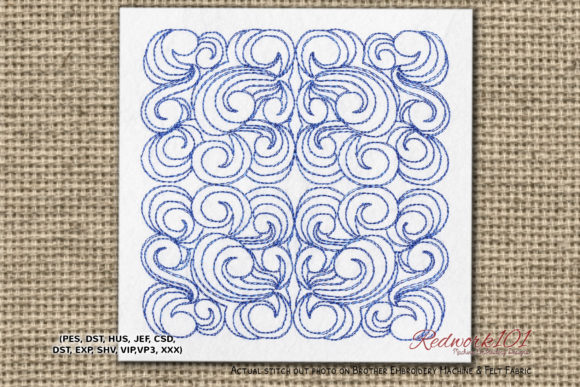
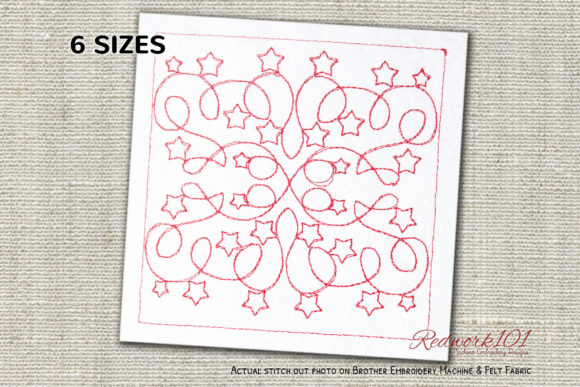
The initial feel of Quilt Pattern Lineart Design leans heavily toward rustic, handmade, and classic. The "lineart" descriptor is key—this isn't a filled, solid block of color, but an outlined, intricate structure. This creates an immediate sense of craftsmanship. For a boutique bakery, a creative studio, or a local florist, this design communicates warmth and tradition. It feels professional but not corporate; it's friendly and grounded. The optional Box Stitch noted in the description adds a framing element, which can be crucial for defining a branded patch or logo accent.
Real-World Business Applications: From Patches to Aprons
Let’s translate that first impression into tangible products. As an embroidery designer, I see several strong applications for Quilt Pattern Lineart Design in a commercial setting.
Embroidered Patches: This is a prime candidate. The intricate, interlocking lines can create a detailed, premium-looking patch for tote bags, backpacks, or as a standalone customer gift. It would elevate a pet brand’s merchandise or serve as an event merch badge.
Staff Uniforms & Workwear: Imagine this on a café apron or a boutique staff’s polo shirt chest logo. As a sleeve detail, it adds a subtle, artisanal touch. The lineart style avoids overly high stitch density, making it suitable for apron embroidery without becoming overly stiff.
Cap Embroidery & Accessories: On a cap front, the design needs careful consideration. Its intricate nature requires sufficient size to maintain clarity. It could work beautifully for a small, local business’s branded caps if scaled appropriately.
Product Packaging & Labels: For a handmade product business, like an Etsy seller, this design could be embroidered onto fabric labels sewn into products, adding immense value and visual consistency.
Tote Bag Design: A central placement on a canvas tote creates a standout custom apparel item. The rustic elegance aligns perfectly with shops selling handmade goods.
Careful Considerations for Commercial Success
Not every application is straightforward. Here are the critical points a business owner must check before production.
- Small Patch Sizes: The intricacy means shrinking it too far for a tiny patch risks losing definition. Test it at the intended size first.
- Curved Surfaces & Cap Fronts: Hooping curved areas like caps demands a stable design. Confirm the hoop size and use proper stabilizer.
- Fabric Texture & Color: On dark uniforms or textured fabrics, the lineart may need contrast adjustments. Thread colors are vital—test in black and white on the actual fabric texture first.
- Frequent Washing: For items like work shirts that see heavy use, the stitch integrity is paramount. Ensure the embroidery file has clean, closed outlines to prevent fraying.
Building Brand Identity & Customer Trust
Using Quilt Pattern Lineart Design isn't just about decoration; it's a strategic brand decision. This design reinforces a narrative of quality, care, and heritage. It boosts product value by signaling attention to detail. For a customer, an embroidered patch with this pattern on a tote bag feels more premium than a simple printed logo. It enhances customer trust and professionalism by showing a commitment to craft. In a crowded market, this handmade presentation fosters stronger buyer engagement and aids brand recognition through its unique, structured visual.
Practical Designer Notes Before You Hoop
Before you run this digital embroidery file for your business, follow this checklist. It saves time, money, and ensures a quality finished product.
- Always test the design in black and white first on scrap fabric to assess contrast and clarity.
- Specifically check if it works at your intended small patch size. Does the lineart remain distinct?
- Review thread color contrast against your final garment color. The optional outer box color can be a different color, as noted, which is a key branding choice.
- Inspect spacing and connections in the intricate lines to ensure clean stitching.
- Create a printable mockup for client or internal approval to visualize it on the product.
- Compare it beside your other design assets to maintain brand cohesion.
- Crucially, confirm commercial licensing for the embroidery file before any business use. The product description does not specify terms, so this step is mandatory.
Quilt Pattern Lineart Design offers a beautiful, brand-enhancing foundation for commercial embroidery projects. Its strength lies in its crafted personality, perfect for businesses wanting to communicate authenticity. By applying these professional review points, you can transform this intricate pattern into a powerful, durable asset for your merchandise, uniforms, and branded products.