A Designer's Take on the Zippered Bag Embroidery Design
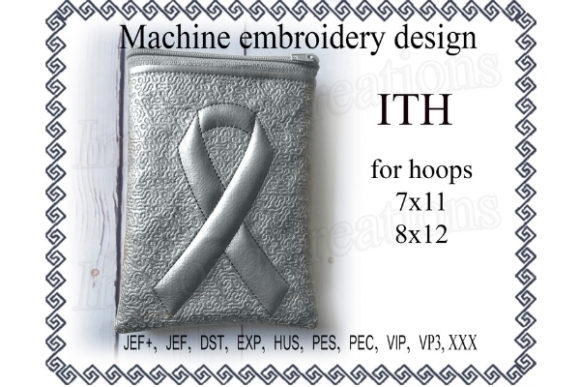
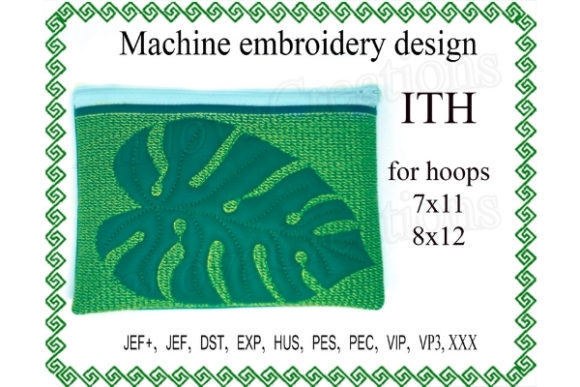
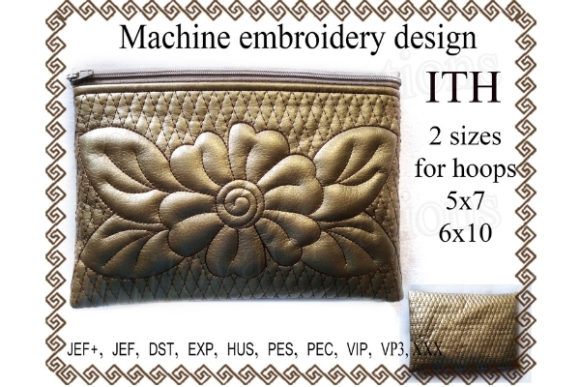
When you download an embroidery file, you’re not just getting stitches—you’re acquiring a potential product, a piece of brand identity, or a heartfelt gift. My first impression of the Zippered Bag in the Hoop design is that it’s a confident, functional graphic. It doesn’t scream for attention; it has a quiet, organized personality that suggests utility and neatness. This isn’t a flashy floral or a whimsical animal. It’s a design that feels purposeful, which immediately tells me it belongs on items meant for use, not just for display.
The Natural Home for This Design
I picture this design stitched onto a durable canvas tote bag. It’s the kind of bag a customer would carry to the market or use as a library bag—a practical accessory. The clean lines and implied structure of the zippered bag motif would elevate a simple tote from generic to thoughtfully designed. For a small shop selling handmade goods, this could be a perfect branding element stitched onto packaging or aprons. For an Etsy seller creating personalized diaper caddies or travel organizers, this design could be the central, recognizable artwork that makes their product feel cohesive and professional.
In a real-life scenario, imagine preparing a set of custom kitchen towels for a holiday gift. The Zippered Bag in the Hoop design, stitched neatly in a corner, would transform a basic towel into a “recipe bag” or “kitchen organizer” themed gift. The mood it creates is orderly and capable. This is its strength: it adds a layer of intentionality to a product.
Where It Performs Brilliantly
This machine embroidery design would shine on stable, medium-weight fabrics. Think cotton tote bags, linen aprons, denim caps, or the front panel of a cotton sweatshirt. The clarity of the shape would be well-maintained. For embroidered patches, this could be a fantastic choice—the graphic is self-contained and would read clearly when applied to a backpack or jacket. As a baby embroidery design on the back of a knit sweater, it would offer a modern, graphic alternative to more traditional motifs, appealing to parents looking for cleaner aesthetics.
For commercial embroidery projects, like a run of bags for a local boutique, this design offers good value. It’s not overly dense with stitches, which suggests reasonable production time and minimal thread consumption, important factors for a craft business. The visual appeal is in its simplicity, which builds customer trust through a perception of quality and clean execution.
Cautionary Notes on Application
While versatile, this design demands careful consideration on certain surfaces. On highly textured fabrics like terry cloth or looped blankets, the finer details might get lost. On thin, stretchy fabric like a standard t-shirt, the stitch density—if there are solid fill stitch areas—could cause puckering without the right stabilizer strategy. Embroidering it onto a curved surface like a cap’s front panel requires thoughtful placement to keep the zippered bag shape from distorting.
The biggest watchpoint is likely on dark fabric backgrounds. If the design incorporates intricate running stitch details or small elements, the thread color contrast must be high to maintain stitching clarity. A dark navy thread on a black bag, for instance, would render the design invisible. Always test the design on scrap fabric first, especially on the final project’s fabric color and texture.
Turning a Digital File into a Valuable Product
How does this digital embroidery file affect your finished product’s value? For a handmade product, it contributes a professional, designed touch that separates your work from mass-produced items. For personalized gifts, like a monogrammed bag, this design could serve as a beautiful framework for adding a name. Its clean presentation enhances giftability and recognition—the recipient understands what the item is for.
Brand consistency for a creative entrepreneur is key. If your shop’s vibe is modern and functional, using the Zippered Bag in the the Hoop across a product line (bags, towels, apparel) creates a cohesive look. It becomes a design asset. However, always confirm the licensing terms before selling finished items commercially. The product description mentions it comes with multiple embroidery file formats, which is excellent for machine compatibility, but the specifics on commercial use need to be verified with the designer or distributor.
Practical Designer Notes for Your Project
Before hooping your final project, do a dry run. Hoop a sample of your actual project fabric. Inspect the stitch-out for any tiny lettering or detailed corners that might need adjustment. Check the thread path: are there jumps that could leave loose threads on a bag that will see frequent use and washing? Using proper stabilizer is non-negotiable here to preserve that clean shape.
Also, think beyond the stitch. Create printable mockups in black and white. How does the design look in a simple graphic preview for your Etsy listing? Does it communicate the product’s purpose? Comparing how it looks on both light and dark backgrounds in a digital preview can help you plan your thread palette before even loading a bobbin.
Finally, consider the embroidery project holistically. This design, with its functional theme, likely pairs well with other utilitarian motifs. It could be part of a larger set for a kitchen or organizer line. Its strength is its straightforward visual personality. It won’t be for every project, but for the right one—a custom apparel piece for a gardening club, a boutique’s branded merchandise, a thoughtful nursery decor item like a storage bin—it will feel perfectly chosen, elevating your work from simply handmade to intelligently designed.