Camera Tripod Lineart: Holiday Embroidery Review
As an embroidery designer who spends months planning seasonal product drops, I approach every machine embroidery design with one question: Will this help a maker sell more finished pieces during the busiest shopping weeks of the year? The Camera Tripod Lineart digital embroidery file landed on my review list not because it screams mistletoe or snowflakes, but because it fills a gap so many shops overlook—thoughtful, niche gifts for the creatives and professionals on everyone’s list. This review breaks down exactly how this design performs when you are building a holiday embroidery collection, whether you sell on Etsy, at craft fairs, or through social media drops.
I stitched this design on several substrates before forming my final opinion, and I will share what I learned about thread choices, stabilizer needs, placement logic, and the emotional pull that makes a buyer click “add to cart” in November and December. If you create handmade gifts, personalized apparel, or limited edition home décor, this deep dive is for you.
First Impressions and Seasonal Mood
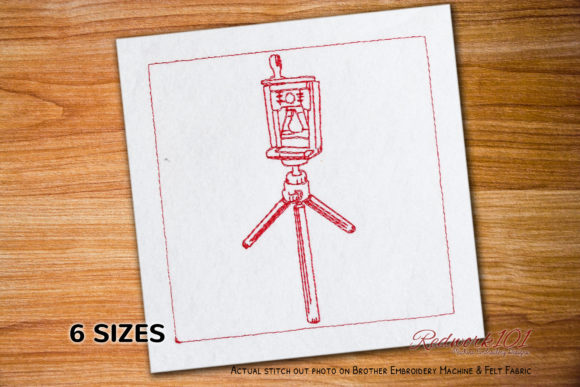
Opening the embroidery file for the first time, I saw a crisp, minimalist outline of a camera tripod. The Camera Tripod Lineart relies on clean, uninterrupted contour strokes that feel modern and professional. The optional box stitch frames the artwork, giving it a structured patch feel, but the product description is clear: the outer box color is independent, and you can even skip that color stop entirely. That flexibility is a quiet advantage when you are coordinating with winter color palettes or creating a cohesive multi-design bundle.
Is this design festive in a traditional sense? No—and that is precisely why I wanted to test it. Holiday shoppers are not only hunting for Santa hats and reindeer. They are looking for personalized gifts that say, “I see you.” A camera tripod embroidered on a plush navy sweatshirt, outlined in shimmering gold metallic thread, suddenly reads as a thoughtful nod to the family photographer. Stitched in icy silver on a slate-gray kitchen towel, it becomes a sophisticated New Year’s host gift for a food blogger’s studio. The emotional tone I pick up from this design is one of quiet creativity, focus, and professional warmth. It lends itself beautifully to a “capture the moment” seasonal narrative that never goes out of style.
Because the lineart is lightweight, it does not overwhelm the fabric. That airy quality makes it easy to pair with coordinating text, small snowflake accents, or even a tiny stitched frame shape inside the optional box. The design’s work category background matches its practical, tool-inspired silhouette. For a shop owner who wants to attract customers buying for content creators, videographers, or remote workers, this file has year-round legs with a clear holiday hook.
Product Applications for Holiday Selling
I tested mockups across the product types that dominate my fourth-quarter sales reports. Here is how the Camera Tripod Lineart held up in real-world holiday embroidery scenarios.
- Sweatshirts and hoodies. This is the hero product. A crewneck with the design centered on the chest, stitched in a tonal metallic or a contrasting winter hue, makes an effortless limited edition piece. For family matching outfits, pair it with a smaller “photographer” or “videographer” text underneath. The lineart breathes well and does not create a heavy patch that fights the fabric’s drape.
- Tote bags. Canvas totes are steady holiday sellers, especially when bundled with camera accessories or used as gift wrap. The tripod design reads beautifully across the front panel. I recommend a tear-away stabilizer here and a slightly darker thread than the bag itself for visibility. The optional box stitch can be enabled to mimic a woven label look.
- Kitchen towels. Flour sack towels with a corner placement feel boutique-ready. They work wonderfully as add‑on items in a photography studio gift basket. Keep the stitch density light so the towel remains absorbent and the design does not curl after washing.
- Pillow covers. A linen or cotton pillow cover with the tripod embroidered in a single bold hue becomes a cozy accent for a home office or media room. This is an easy upsell when marketed as a “creative cozy” gift set during the holidays.
- Ornaments and gift tags. While the design might not be tiny enough for a standard round ornament without resizing, a flat fabric ornament or a stuffed hanging tag handles this linework well if your hoop allows. Test the smallest size your machine can stitch cleanly before committing to ornament production.
- Patches. The box stitch option makes this an obvious candidate for a sew‑on or iron‑on embroidered patch. Create a batch in different thread colors and package them as stocking stuffers for camera enthusiasts. This is where the optional outer color becomes a instant branding element.
- Aprons and table linens. Think beyond the kitchen. A photography workshop apron with the tripod design on the bib pocket adds professional flair. Table runners for a camera‑themed holiday dinner pop with a subtle repeated tripod motif along the hem.
- Baby items. A soft onesie with a tiny tripod and the words “Future Creator” speaks directly to photographer parents. Keep the hoop small and switch to a water‑soluble topping on plush fabrics for a clean finish.
Where to Stitch With Caution
No design is perfect for every substrate, and the Camera Tripod Lineart demands respect for its fine details. Based on my stitch tests, here are the situations where you must slow down and make adjustments—or skip the project entirely.
- Small hoop sizes under 4x4 inches. If the digitized file is meant for a larger field, shrinking it too far can close up the thin leg lines and lose the recognizable tripod shape. Always request or check the minimum hoop size information from the supplier before scaling.
- Thick, plush towels. High‑pile towels tend to swallow fine line work. If you must embroider on a bath towel, use a heavy water‑soluble topper, a sharp needle, and increase the stitch density slightly. Even then, the crispness may fall short of what you see on flat cotton.
- Dark fabrics with dark thread. Because the design is an outline, low contrast makes the tripod disappear. Opt for white, metallic, or a high‑contrast pastel when stitching on black, navy, or charcoal base fabrics. The optional box thread color can be used to create a border that frames the entire silhouette on shadowy materials.
- Stretchy performance wear. High‑spandex garments test your stabilizer choice. Without a secure cutaway backing, the tripod lines will distort the first time the fabric is pulled. This is not a design I would recommend for curved caps either, unless you are using a flat embroidery area and a mighty hoop that can handle the registration.
- Overly faded or vintage‑look blanks. A heavily mottled background can disrupt the clean modern linework. The tripod reads best on solid, smooth surfaces. If you want a rustic holiday vibe, choose a heather grey or oatmeal tone that still gives enough contrast.
- Items with frequent heavy washing. Repeated hot cycles can wear down fine satin stitches over time. Advise customers to wash finished garments inside out and air dry. This is standard care but worth emphasizing for intricate lineart designs.
How This Design Boosts Holiday Sales Appeal
In my experience, seasonal embroidery sells when it combines emotional resonance with practical gifting. The Camera Tripod Lineart does not rely on a calendar date to feel relevant—and that actually improves its giftability. A buyer browsing Etsy for “photography gift for husband” or “camera tripod embroidery sweatshirt” is already motivated. This design gives you a quick‑to‑stitch, high‑perceived‑value product that fits those search terms exactly.
The work category origin of the file means it carries a professional, polished undertone. Customers purchasing a finished hoodie or tote bag featuring this design often see it as a premium, thoughtful choice rather than a novelty item. That perception allows small shop owners to price a stitch‑out comfortably for holiday markets. When you display realistic printable mockups on social media—a navy sweatshirt with copper thread, a cream tote with forest green tripod outlines—the design does the heavy lifting of brand consistency. It becomes a signature piece that audiences recognize across your holiday collection.
Furthermore, the optional box stitch adds a layer of visual recognition that mimics high‑end patchwork. I have found that framed embroideries photograph exceptionally well for Instagram previews and limited edition drops. The outer color stop can be changed to match your shop’s seasonal branding: cranberry red for winter, soft gold for Christmas, icy blue for January “new year, new craft” campaigns. That tiny customization turns a single digital embroidery file into a multi‑season asset without requiring a completely new design.
Customer trust also grows when they see a design that stitches out cleanly across different applications. If you can show a beautifully finished towel, a crisp tote bag, and a cozy pillow cover all side‑by‑side in your product photos, you communicate reliability. The tripod lineart, with its minimal fill and clear edges, delivers that consistency session after session—provided you follow the preparation notes I share below.
Practical Embroidery Designer Notes
Before you add the Camera Tripod Lineart to your next seasonal product batch, I strongly suggest running a test stitch on both light and dark fabric scraps. The notes here come directly from my test hoop time and should help you avoid the learning curve.
- Thread color testing. Choose two contrasting threads for light and dark blanks. On oatmeal linen, a rich burgundy or olive green creates an understated holiday feel. On black canvas, soft gold or pearl white makes the design glow. Always test metallic threads on a scrap piece first; some brands fray more quickly and may need a slower machine speed.
- Stitch density and fine details. Since the tripod legs and knobs rely on delicate outlines, check whether the digitized stitches are sufficiently dense for your chosen fabric. If gaps appear, a slight density increase in your software helps. Avoid over‑compensating on knits, as too much density leads to stiffness and puckering.
- Hoop size confirmation. I cannot quote an exact hoop requirement here because file specifications vary. Always verify with your supplier that your machine’s hoop accommodates the design’s dimensions before stitching on expensive blanks. A design that fits perfectly in a 5x7 hoop may need editing for a 4x4 frame.
- Stabilizer selection. For sweatshirts and stretch fabrics, a medium‑weight cutaway stabilizer is non‑negotiable. For woven tote bags and towels, a tear‑away or a no‑show mesh works beautifully. Float a layer of water‑soluble topping on any fabric with a nap, even a slight one, to prevent stitches from sinking.
- Mockup creation. Use your digitizing software preview or a stitched sample photo laid flat in good lighting. Overlay the image onto blank product photos to create realistic Etsy listing visuals. Show the design on multiple colorways—one dark, one warm neutral, one bright—to help buyers visualize the finished product.
- Small detail inspection. After your first stitch‑out, examine the tiny joints and leg extensions under a bright light. If any area looks compressed, note it for your pressure foot settings or consider a slight enlargement. A clean tripod outline builds buyer confidence; a messy one invites returns.
- Matching color palettes for bundles. Develop a quick holiday palette card. For example: Forest + Champagne, Navy + Copper, Cranberry + Silver. Stick to those when posting seasonal bundles on social media. Consistent color storytelling makes your shop feed look intentional and polished.
- Commercial licensing check. The product description does not detail license terms, so you must confirm with the file source that you are allowed to sell finished physical items made with this embroidery file. Most sellers offer commercial embroidery rights, but verifying protects your small business from headaches down the road.
- Skipping the box stitch. Do not be afraid to omit the outer box. For an all‑over repeat pattern on a kitchen towel set, a frameless tripod silhouette looks airier and more modern. For a patch, keep the box. That toggle alone makes this design twice as versatile.
- Seasonal placement creativity. On a sweatshirt, try left‑chest placement for a low‑key look or oversized center back for a statement piece. On a zipper pouch or a tech organizer, the tripod along the bottom edge feels premium. Play with placement before committing to a production run.
I thoroughly enjoyed putting the Camera Tripod Lineart through its paces as a holiday embroidery workhorse. It is not a design that screams seasonal cliché, but it answers a genuine market need: beautifully simple, stitch‑friendly artwork that makes handmade gifts feel deeply personal. For Etsy sellers curating photography‑themed bundles, for craft fair vendors assembling last‑minute teacher gifts, and for home décor shops building cozy collection drops, this embroidery file earns its keep. Test it with your favorite wintry thread palette, plan your stabilizers, and watch it transform plain blanks into products that sell themselves all season long.