Designer Review: Dancing Steps for Boutique Sweatshirts
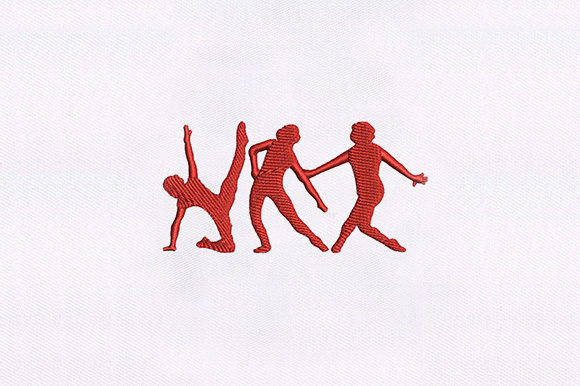
Every time I plan a new sweatshirt or hoodie collection for my little handmade shop, I spend hours scrolling through Creative Fabrica embroidery files. Finding a design that actually feels like boutique apparel – not just a cheap throwaway motif – takes a trained eye. When I landed on Dancing Steps, the sweet embroidery of three dancers stopped my scroll. I immediately imagined it stitched on a dusty-rose hoodie, the thread blending softly into a fleece backdrop, creating something you’d see in a high-end dancewear catalogue. If you’re an Etsy seller, a small clothing brand, or a creative entrepreneur who stitches for profit, here’s my honest, design-room level breakdown of this Dance category machine embroidery design and why it might earn a permanent spot in your production library.
The Sweet Story in Stitches: My First Impression
Right away, Dancing Steps feels like a design that sells a mood more than a concept. The three dancers are arranged in a flowing, almost lyrical composition that hints at motion, grace, and performance. It’s not aggressively bold; it’s charming, slightly feminine, and carries that classic, timeless quality you want for a boutique brand. Visually, the personality leans cute and playful without being childish. This makes it enormously flexible. You can dress it up with metallic thread on a jet-black hoodie for a dance crew, or keep it soft with pastel rayon on a cream sweatshirt for a recital keepsake. The decorative strength lies in the silhouette – the dancers’ poses create negative space that lets the garment color breathe, which is exactly what you want for a premium-looking finished product. I’d categorize this design as elegant casual, ideal for building brand identity around movement, joy, or community.
Why Boutique Apparel Decorators Should Pay Attention
As someone who stitches commercial embroidery products for small shops, I’m always calculating how a design will elevate a blank sweatshirt from generic to gift-worthy. Dancing Steps does that with minimal fuss. The trio of dancers reads like a miniature art print stitched in thread – exactly the kind of detail that makes a customer pause on an Etsy listing and click “add to cart.” For handmade product sellers, a design like this can boost buyer trust because it looks intentional, not slapped on. When your product photos consistently feature embroidery with this level of visual personality, you slowly build brand recognition. Even a simple tote bag with this design can feel like a specialty item if staged correctly for social media graphics or printable mockups.
I also love that it fits naturally into the Dance niche without screaming it. That subtlety widens your audience: a cozy oversized hoodie with Dancing Steps stitched near the hem suddenly becomes a cozy seasonal outfit for a mom, a dance enthusiast, or anyone who appreciates delicate, movement-inspired decor on their clothes.
Chest Placement on Sweatshirts and Hoodies
Left-chest embroidery remains the bread and butter of boutique sweatshirt decoration. For a delicate design like Dancing Steps, a small-to-medium chest placement works beautifully. I’d keep the height around 2.5 to 3.5 inches tall for most unisex hoodies, but you absolutely must test on scrap fabric first to check for any tiny lettering or thin connections that might disappear if reduced too far. On fleece or ribbed fabric, a slightly looser weave can fill in small details, which helps the dancers’ limbs stay crisp. On stretchy fabric, a proper cutaway stabilizer is non-negotiable to prevent distortion when the garment is worn. Pay attention to the curved surface of a hoodie – a placement that looks centered on a flat table might drift to the side once the sweatshirt is zipped or the hood is pulled. I always baste a paper template on a similar garment and have someone try it on before committing to a hoop position.
Sleeve Accents and Back Designs
For an edgier, street-style look, think about sleeve accents. This embroidery file can be scaled down (again, confirm the maximum reduction with a test stitch) and placed vertically along the outer sleeve of a dark denim jacket or a heavyweight hoodie. The vertical orientation mimics the dancers’ upward reach. For back designs, a larger rendition between the shoulder blades transforms an oversized sweatshirt into a statement piece. Stitch density becomes crucial here; a dense design on thin t-shirt fabric will pucker, so consider lightweight stabilizer options or a softer underlay if you plan to use it on lighter tees. That brings me to fabric choices in more detail.
Fabric, Stabilizer, and Thread Color: Get the Combo Right
One of the first things I do when evaluating a digital embroidery file is imagine it on the fabrics I keep in stock. For Dancing Steps, neutral sweatshirts in heather grey, oatmeal, and blush pink are obvious winners because they let the stitch texture shine. On dark apparel, contrast becomes the artist. I’d reach for a cream or pale gold thread to make the dancers pop on charcoal or midnight blue. Dark garments also hide any minor stabilizer shadows that might peek through, but always test on a sample cut before a full run.
Fleece and stretchy fabrics demand a sharp eye. Dancing Steps includes flowing, connected shapes, so if your hoop size forces you to rotate the design slightly, watch for any diagonal stitches that could cave in on a ribbed sweater. I’d recommend a medium-weight fusible stabilizer for fleece hoodies, plus a water-soluble topper if the stitches risk sinking into the nap. On a canvas tote bag, the design will sit beautifully but may feel stiff if the stitch density is heavy; a tear-away stabilizer combined with a soft needle can keep the bag functional while the design stays crisp. Avoid stitching directly on highly curved areas like shoulder seams or near drawstrings where the embroidery may wrinkle over time.
Creative Fabrica Details and Pre-Production Checks
The product description for Dancing Steps is currently succinct: it mentions the sweet three-dancer motif and that the design comes with machine embroidery files. However, as with any Creative Fabrica embroidery product, I always flag a few details before I sew a single stitch. The listing doesn’t outline the exact stitch count, file formats included, or recommended hoop size in the snippet I studied. Don’t guess – log into your account and review the full product page. Confirm that the formats match your machine (PES, DST, JEF, etc.) and that the hoop size aligns with your intended placement. If there’s tiny lettering or delicate connector stitches, you’ll want to inspect the stitch density carefully on a test run using a similar fabric weight. I cannot stress this enough: test on scrap fabric, not a finished garment. That practice alone has saved me from wasting premium hoodies on a design that puckers or has tension issues.
Additionally, clarify the licensing terms. Creative Fabrica typically offers commercial embroidery rights, but the scope – whether you can sell finished apparel handmade or mass-produced – varies. If you’re an Etsy seller or run a small shop product line, make sure the license covers physical end products. This protects your buyer trust and keeps your boutique brand legally sound.
Weaving It Into a Cohesive Collection
I often build themed drops for my little shop, and Dancing Steps feels like the anchor piece for a “dance and dreams” line. Pair it with script words like “grace” or “movement” on a companion t-shirt, or stitch it as a mini chest emblem on a zip-up hoodie alongside a larger back design on an oversized sweatshirt. You can create printable mockups for Etsy listings that show the embroidery in a soft, lifestyle setting – think a sunlit corner with ballet shoes or a bouquet of wildflowers. This kind of visual storytelling increases customer engagement and can justify a higher price point because the product feels curated.
I also love how Dancing Steps works for seasonal gifts. Stitch it on a cozy, heavyweight tote filled with recital essentials, and you’ve instantly got a boutique merchandise item that dance studios or parents would snap up. The design’s cuteness doesn’t dead-end into holiday themes, so it holds year-round appeal.
Final Stitching Wisdom from the Studio Floor
If I were to drop Dancing Steps into my next production queue, here’s exactly what I’d do: download the embroidery file, open it in my software, and examine the stitch angle and trims. I’d hoop a piece of medium-weight fleece with a firm cutaway stabilizer, thread my machine with a dusty mauve rayon, and run a slow test stitch. I’d check for any thread breaks on the dancers’ extended limbs. I’d then wash the sample twice to see how the stitches settle. If the results look beautiful without distortion, it’s a green light for a small batch of hoodies and totes. This meticulous approach is what separates a store-bought-looking piece from a handcrafted boutique treasure.
For apparel decorators, digital sellers, and handmade business owners, Dancing Steps has the quiet confidence of a design that elevates simple blanks into emotional, wearable art. It blends sweet storytelling with professional decorative strength, and when stitched with care on the right fabric, it could become a signature piece that your customers photograph and share – which is the best advertising money can’t buy. Just be sure to confirm all the Creative Fabrica product details, test thoroughly, and then let those three dancers twirl their way into your custom apparel lineup.