Baby Head Zebra Applique: A Designer’s Review for Boutique Apparel
First Impressions: A Playful Focal Point with Real Boutique Potential
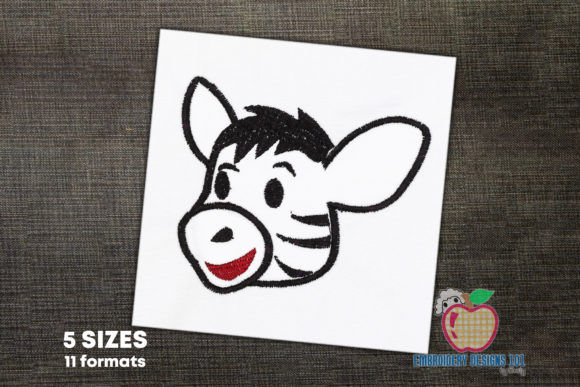
When I first saw the Baby Head Zebra Applique on Creative Fabrica, I immediately pictured it on a sun-bleached terracotta sweatshirt, or maybe a soft sage hoodie. There is a lively, almost storybook quality to the design — it isn’t just another animal silhouette. The applique construction gives it a tactile dimension, and the way the stripes would pop against a pastel or neutral base fabric feels instantly brandable. As a designer who builds small ready-to-wear drops for Etsy and pop-up shops, I look for embroidery that communicates a mood without over-explaining. This one reads as bold yet playful, modern safari, accessible whimsy. It doesn’t try too hard to be cute; the clean lines and open face shape keep it crisp enough for premium boutique goods. The first thought in my mind: this is a hero graphic for a relaxed, elevated kid’s line — but it can easily cross over into women’s oversized sweatshirts or casual tote styling.
The visual personality leans toward trendy rustic with a touch of minimalism. The zebra head, simplified as an applique, avoids the overly cuddly feel of a full cartoon. Instead, it hints at a graphic designer’s eye — think of the clean emblem style you see on small-batch organic cotton hoodies. The stitching mood I expect is crisp satin edging that secures the fabric shapes, with light interior detail for the ears and snout. Done in the right thread palette, this can feel both delicate and substantial. It definitely reads as a decorative strength piece, meaning you want it placed where it catches light and drives the garment’s identity. That’s the kind of element that makes casual apparel look intentional and collectible.
Sizing Flexibility and Hoop Compatibility
One of the most practical wins with this design is the included size range. The Baby Head Zebra Applique comes in five sizes, from approximately 4 inches up to 8 inches, and it lists compatibility with standard hoop sizes: 4×4, 5×7, 6×10, 8×8, and 8×12. For a small shop like mine, that covers nearly every machine in rotation without needing to resize files myself — and applique designs don’t always scale gracefully if you tweak them outside the original digitizing. The 4-inch version is ideal for toddler shirts or sleeve patches, while the 8-inch iteration becomes a true statement back piece on a denim jacket or an oversized hoodie. I appreciate that Creative Fabrica shows the stitch counts and exact dimensions within the product image; it saves guesswork. However, I’ll mention a point of due diligence: always check the actual product listing on Creative Fabrica to confirm the stitch details and verify that your machine reads the provided file format before buying. Licensing is separate from the stitch file, so review the license terms if you plan to sell finished goods commercially. That’s just good business practice, not a hesitation about the design itself.
Classic Chest Embroidery
For a boutique sweatshirt, the 5-inch or 6-inch size placed on the upper left or center chest delivers that perfect “logo” feel. Because it is an applique, the texture contrasts beautifully against a smooth french terry or soft fleece. The baby zebra head doesn’t feel flat like a screen print; it builds a slight relief that adds perceived value. I’d lean toward a tonal thread choice for the satin edge — maybe a warm cream or very soft black — to keep it sophisticated. This is where sweatshirt embroidery turns into a tactile branding moment.
Back Designs and Oversized Statements
The 8-inch version is built for impact. On the back of a neutral hoodie, the zebra applique becomes the entire story. I’d pair it with a simple block lettering below (hand-stitched or embroidered separately) to create a cohesive boutique collection: think “Wild & Free” in a delicate serif. Because of the large applique area, you’ll want to float the fabric carefully and use a sharp needle to avoid dragging the fleece. On a denim jacket, the same size becomes a statement piece that reads as high-end custom work. I’d test placement between the shoulder blades to avoid awkward curve distortion — more on that in a moment.
Sleeve Accents and Subtle Details
A smaller 4-inch zebra on the cuff or upper sleeve of a raglan sweatshirt can elevate a basic garment into an intentional design piece. It’s unexpected. I’d use it on a dusty rose or oatmeal base with cream appliqué fabric, so the shape remains symbolic rather than loud. This works especially well for matching family sets or mommy-and-me collections.
Tote Bags and Lifestyle Accessories
Beyond apparel, the mid-range sizes translate beautifully to canvas tote bags. A 6-inch zebra head on a natural cotton tote, maybe layered near the bottom corner, creates that effortless “farmers’ market aesthetic” shoppers love. It photographs well for product listings, and the texture of the applique adds depth that flat digital mockups struggle to replicate. If you sell physical products with this design, include lifestyle images that show the tactile finish — that’s a trust builder.
Navigating Tricky Fabrics and Placements
Not every garment will treat this applique kindly. Here’s where my design brain shifts to technical caution. The Baby Head Zebra Applique, like any dense applique, needs a stable foundation. Fleece with a high stretch percentage or thin ribbed cuffs can cause the edges to ripple after laundering. I’d avoid placing it directly over a side seam or on a highly curved chest area of a slim-fit tee. Dark garments require special attention: if you’re using the design as an applique on a black hoodie, choose the appliqué fabric wisely — a stark white zebra head will show every stray edge of stabilizer unless you trim meticulously. I typically test a sample on a similar weight fabric, run it through a wash cycle, and check for puckering before listing a finished product. For a small chest placement, make sure the design doesn’t end up half-hidden when the wearer moves; I pin a printed template on a dress form and study it from all angles. Those tiny adjustments separate a handmade product from a polished boutique item.
Stabilizer choice is critical. A cutaway stabilizer is your friend on knits and fleece, and I float a layer of water-soluble topping on plush fabrics to prevent the stitches from sinking. For ribbed textures, a temporary spray adhesive and a firm hooping technique help control shifting. These are standard embroidery practices, but they become extra important with an applique that carries visual weight like this zebra head. The dense satin border that defines the shape can get distorted if the fabric stretches during the stitch-out. So, test on a scrap of your actual garment fabric — not just a smooth quilter’s cotton — and review the stitch density before you commit to a dozen hoodies.
Building a Brand Identity Around a Signature Graphic
One of the smartest moves a small clothing brand can make is anchoring a collection to a single, recognizable motif. The Baby Head Zebra Applique has the potential to be that signature. It’s distinctive without being overly gendered or seasonal. You can carry it from spring linen tees to cozy winter fleece, varying the appliqué fabric to match the season — chambray for summer, flannel for fall. This kind of visual consistency breeds buyer recognition. When customers scroll through your Etsy shop or Instagram feed and spot the zebra emblem, they instantly know the maker. That’s trust, and trust drives sales. I’d use it as a unifying element: the zebra appears on the chest of the bestseller sweatshirt, then as a scaled-down detail on the matching baby beanie, then as a centerpiece on a printable mockup for a digital embroidery product listing. Cohesion doesn’t mean boring; it means professional.
Don’t underestimate how an applique like this can lift the perceived value of a blank garment. Customers notice texture, dimension, and the subtle sheen of quality thread. That perceived value allows you to price above the basic screen-printed sweatshirt bracket. It also gives you strong visual content for social media graphics — a close-up of the satin stitch against the fleece is pure eye candy on Pinterest and Instagram Reels. For Etsy sellers, this kind of detail can populate the five-photo gallery with variety: show the design on a flatlay, on a model, in a close-up, and alongside a coordinating piece. It tells a story of care.
Practical Designer Notes Before You Stitch
Every design review should come with a pre-production checklist. Here is mine for the Baby Head Zebra Applique:
- Confirm file details: The product image displays stitch counts and exact measurements per size. Those are your guide; don’t assume. Write them down and match them to the file you load into your machine.
- Hoop size verification: The listing states compatibility with 4×4 through 8×12 hoops. Be sure your intended size matches your largest comfortable hooping area, leaving space for safe stitching.
- Test on real garment fabric: Order a single garment in your chosen color and fabric blend. Stitch the design using your planned thread colors and appliqué fabric. Wash it, wear it, see how it lives.
- Stabilizer and tension: Adjust for the fabric’s stretch and thickness. For fleece, I often run a sample with cutaway and a topper, then adjust density if needed. The satin edging is likely dense — confirm it doesn’t cause tunneling.
- Thread color contrast: A zebra applique begs for a well-chosen border thread. Off-white on a cream sweatshirt might disappear. Test a slightly warmer or cooler neutral to see what reads best on camera. I keep a thread chart bookmarked.
- Placement templating: Print a paper template of the size you’ll use and pin it to the garment on a dress form. Move it around. Check left chest vs. center. Photograph with your phone. What looks good flat can feel lopsided when worn.
- Creative Fabrica product review: Revisit the listing to ensure you have the most updated file, and verify if any license updates affect your commercial use. This is part of running a professional embroidery business.
The Boutique Edge: Why This Applique Works for Multiple Product Categories
The Baby Head Zebra Applique sits comfortably in the Wild Animals category, but it resists looking like a generic zoo graphic. That restraint is what makes it versatile. For boutique apparel, it fits into collections that lean bohemian, modern minimalist, or even a playful luxury children’s line. I can imagine using it on a linen-cotton tee for toddlers, then the same design on an adult oversized crewneck for a coordinated look. The applique technique itself signals “handmade with intention” — a quality that certain buyers pay extra for. And because Creative Fabrica offers a commercial embroidery license path (confirm the specific terms for your digital embroidery file use), you can confidently build a product line without worrying about intellectual property grey areas, provided you do your paperwork.
From a product photography angle, this design photographs beautifully. The layered texture creates natural shadows, which means your on-model shots show depth without advanced editing. If you use printable mockups, you can mimic the look with a layered mockup file, but nothing beats a live stitched sample for customer trust. That real-feel difference can push a browser into a buyer.
Final Thoughts from the Embroidery Table
I’m approaching this review as I would any potential hero design for a seasonal drop: with optimism and careful scrutiny. The Baby Head Zebra Applique passes the initial design-judgment test. It has the personality to anchor a sweatshirt collection, the size flexibility to scale across products, and enough decorative strength to influence your brand’s visual identity. It isn’t a flat, forgettable motif; it’s a construction that demands good technique, which in turn rewards you with a higher-end finished product. If you’re a boutique brand owner, an Etsy seller building a cohesive shop aesthetic, or a hobbyist looking to elevate your handmade gifts, this design is worth a dedicated stitch-out session. Just remember to test, hoop carefully, and make it your own through thread and fabric choices. The zebra may be a classic safari character, but in your hands, it can become something entirely yours — a signature that sets your apparel apart in a sea of ordinary sweatshirts.