A Real Designer's Look at the Angry Cat in Window Bluework
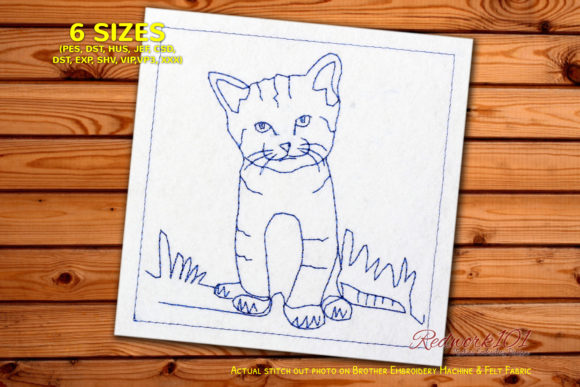
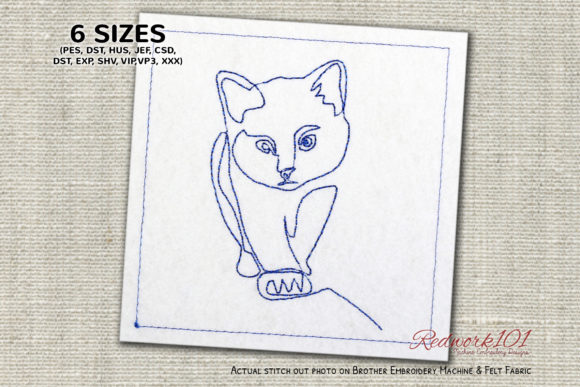
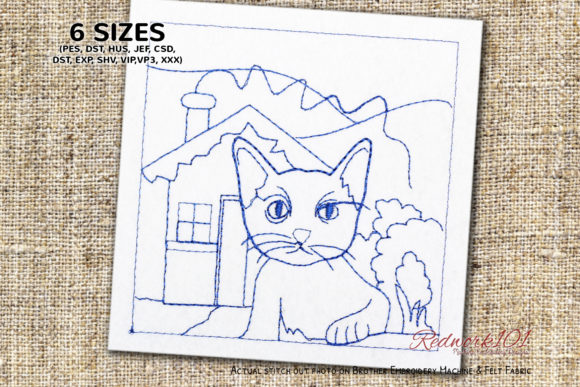
Whenever a new embroidery design lands in my library, I don't just look at the preview—I immediately start visualizing it on a finished product. My first thought with the Angry Cat in Window Bluework was, "That's a mood." It’s not just a cute cat; it's a character. The simple, clean lines of bluework evoke that classic, timeless embroidery feel, but the subject injects a modern, humorous personality. This is a design that tells a story before you even start stitching.
The Practical Personality of This Embroidered Cat
From a designer's standpoint, the core appeal here is the strong, clear silhouette. The cat's expressive face and the window frame create a contained, graphic composition. It doesn’t rely on overly dense fill stitches or tiny details to communicate its idea. This is a huge plus for real-world application. I imagine stitching this onto a custom tote bag for a cat-loving friend. The bold outline would translate beautifully onto the bag's fabric, creating a handmade product that feels both personal and professionally executed. The optional box stitch mentioned in the description is interesting—it frames the scene, but skipping it, as suggested, leaves a cleaner, more modern look. That flexibility is a subtle but valuable feature for crafters tailoring the design to their specific project.
Where This Design Finds Its Natural Home
I can see this design thriving in several key areas. For custom apparel, like a cotton sweatshirt or a simple tee, it would be a standout, quirky accent. The size and style suggest it would work well as a central motif on a pillow cover or a kitchen towel, adding a playful touch to home decor. As a embroidered patch, it’s perfect—the defined borders make it ideal for applique or standalone stitching onto a backpack or cap. For small business merchandise, especially for Etsy sellers focusing on pet themes or humorous gifts, this design is a ready-made asset. It has that "giftability" factor; you can easily imagine it as a birthday present for a cat owner.
The nature of bluework—typically using a single color or a limited palette—also makes it a strong candidate for baby embroidery on a blanket or nursery item. The simpler stitch count (compared to multi-color, dense fills) often means it’s gentler on delicate fabrics. However, that’s a hypothesis, not a guarantee—testing on scrap fabric is always the rule.
Considering the Stitching Reality and Project Fit
When evaluating any embroidery file for practical use, I think through the entire process from hoop to product. For the Angry Cat, its graphic nature is a strength. On textured fabrics like a woven tote, the clear lines should hold up well, provided you use the correct stabilizer. On stretchy fabric like a tee-shirt, you'd need to be more diligent with stabilization to prevent distortion of that charmingly grumpy expression.
Dark fabric backgrounds require careful thought. Bluework traditionally uses a single thread color. You must consider the contrast. A light blue on a black sweatshirt might not pop as intended; testing thread color contrast on a swatch is essential. The design's success hinges on that visual clarity. On curved surfaces like a cap, the window frame's corners would need attention during hooping to ensure they stitch out cleanly without puckering.
Spotting Potential Challenges Before You Hoop
While the design looks straightforward, a professional always looks for the tiny pitfalls. The description notes the outer box color is usually different and can be skipped. This implies there might be color changes or layered elements. Before running it on your machine, I'd recommend checking the actual file in your software. Look for any exceptionally small running stitch details, perhaps in the cat's whiskers or window panes, that might get lost on a coarse fabric like an apron. Also, assess the overall stitch density. Is it balanced? A very dense fill in one area and light stitching in another can cause fabric pull. A quick test on similar scrap fabric to your final project is the best insurance for your finished product.
For craft business owners, this affects customer trust and professionalism. A puckered, distorted design on a listed product hurts your brand. Taking these precautions ensures your handmade presentation is consistently excellent.
Turning a Digital File into a Commercial Success
For creative entrepreneurs and digital product sellers, the Angry Cat in Window Bluework isn't just a design to stitch; it's a potential product line. Imagine it on a series of items: the tote, the tea towel, the baby bib. That consistency builds brand recognition. When creating printable mockups for your Etsy listings, this design's strong graphic quality will show up well even in digital previews, driving buyer engagement.
A crucial note: always confirm the licensing terms of the digital embroidery file before selling finished items or incorporating it into your commercial designs. The description provided doesn't specify this, so that due diligence is your responsibility. Knowing whether it's licensed for personal use only or for commercial projects is fundamental to operating your small shop ethically and legally.
Final Thoughts From the Workbench
The Angry Cat in Window Bluework has a distinct visual personality that translates well into the physical world of embroidery. It feels suited for projects where a touch of humor and character is wanted—from a personalized gift to a boutique's best-selling kitchen linen. Its bluework style offers a classic aesthetic that appeals broadly, while the subject matter taps into a specific, passionate niche.
My practical advice is this: love the idea, but respect the process. Test it. Check the file details. Consider your fabric and your end customer. When stitched with care on the right product, this design won't just look good—it will feel good, adding that special, handmade value that turns a simple item into a cherished one. That’s the real goal for any maker, from the hobbyist to the professional decorator.