Rocking Pony Embroidery Design: A Hands-On Stitch Review
First Glance: Nostalgia Ready to Stitch
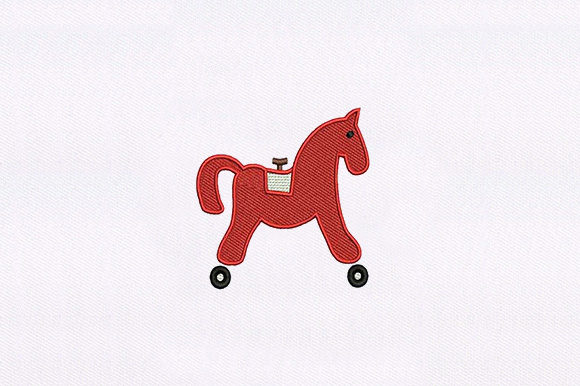
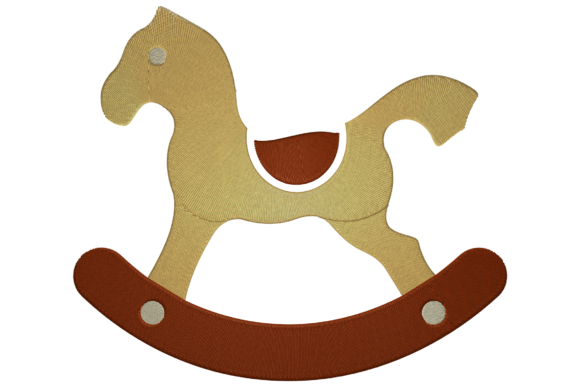
When I opened the digital file for the Rocking Pony, I immediately felt a gentle pull toward childhood. This isn’t a loud, cartoonish horse. The shape carries a classic toy profile — a rounded body, curved rockers, a soft mane sweep — and it reads as both playful and timeless. As an embroidery designer who regularly tests machine embroidery design files across fabric types, I look for how a motif will live beyond the screen. This one feels rooted in the Toys category but softened enough for decor, wearables, and heirloom pieces. The layout is balanced, without overly thin connecting threads that often fray in the hoop. There’s no tiny lettering to worry about, and the proportions suggest it was drawn with stitching in mind, not just screen display.
I could already picture this design assets file on a flannel baby blanket, a cream-toned sweater, or a linen pillow cover. The mood is cozy, a bit storybook, and it carries the kind of silhouette that registers clearly even from across a craft fair booth. That matters when you’re selling finished products: instant recognition. A rocking horse, done right, evokes safety, tradition, and gentle imagination. That’s exactly the emotional note a maker, craft business owner, or Etsy seller might want for a holiday gift line or nursery collection.
Where the Rocking Pony Design Shines Brightest
This isn’t a one-material wonder. I found the Rocking Pony naturally gravitating toward several product categories where its shape, scale, and stitch density feel like a true match. Here’s where I’d confidently place it in a real production workflow:
- Baby and toddler apparel — Think footie pajamas, bodysuits, or tiny tees. The soft curves and uncluttered outline stay gentle against a child’s skin, and the motif doesn’t overpower a small garment. For baby embroidery, you want a design that doesn’t turn into a stiff patch. This one, with open areas and what appears to be a mix of satin stitch and fill stitch, should flex with the fabric.
- Nursery decor pillows and blankets — On a linen pillow cover or a minky blanket, this rocking horse becomes the quiet centerpiece. The absence of excessive detail keeps it elegant. I’d test it first on a textured weave to ensure the rocker curves don’t lose definition, but the overall simplicity gives you margin.
- Sweatshirts and tote bags — This is where sweatshirt embroidery meets vintage charm. A small chest placement on a crewneck or a centered motif on a canvas tote bag feels like an instant heirloom. The design’s toy-like nature makes it a conversation piece that adults wear with a hint of whimsy.
- Personalized gifts and keepsake items — I can imagine adding a name or a date underneath using a separate embroidery file for a birth announcement hoop art or a first-birthday apron. Because the design itself doesn’t include lettering, you control the personalization layer without crowding the main image.
- Holiday gift collections — For a small shop, grouping the Rocking Pony with seasonal elements like pine boughs or snowflakes can create a nostalgic holiday lineup: kitchen towels, hand towels, or even Christmas stocking patches. The design’s gentle mood carries winter warmth without being strictly holiday-bound.
Cautious Choices: Fabrics and Products That Test Its Limits
No embroidery design fits every surface perfectly, and the Rocking Pony isn’t a magic solution. I approach every project with a mental checklist of where to slow down and when to say no. Here’s where I’d be particularly careful:
- Caps and deeply curved surfaces — The rounded rockers and pony body look best on flat or gently curved surfaces. A cap crown can warp the symmetry, especially near the visor seam. If you must use this on a hat, choose a 5-panel or front-flat style and reduce size significantly.
- Sheer or thin fabrics — On lightweight cotton voile or a tissue-thin tee, even moderate stitch density might cause puckering. I’d double up on a topper stabilizer and run a test on scrap first. The design may require lighter pull compensation in your software.
- Dark, highly textured fabrics — A waffle-textured towel or a black sweatshirt will swallow the lighter thread paths if contrast isn’t carefully planned. The mane details and facial features could vanish. I’d test this design on a printable mockup in black and white before committing thread. A soft cream or pastel thread on dark fabric saves the day, but only if the stitch paths remain distinct.
- High-abrasion areas — Because this seems to rely on some fill stitch sections and possibly delicate details in the eye or mane, frequent washing (like on a child’s bib) might eventually wear down fine threads. Use a soft backing and let the customer know it’s a gentle-cycle piece. A patch format with a merrowed edge could increase durability if you’re building an embroidered patch line.
I’d also avoid shrinking the design too far. While the product description notes it’s available in 6 sizes, the smallest one might be more of an accent than a focal point. If detail gets lost in the reduction, it stops being a rocking pony and turns into a blob. Always check the smallest size test stitch on the exact fabric you plan to sell.
From Screen to Stitch: What You Learn in the Test Hoop
I always run a design on a medium-weight cotton first — it’s my truth serum for thread tension and registration. With the Rocking Pony, here’s what I’d observe closely:
- Contrast between body and rockers — If the pony’s body and the curved rockers are the same thread color, the shape can flatten. I’d use a slightly lighter thread for the rockers or a subtle outline to keep the rocking motion legible. Even a tonal shift makes a huge difference.
- Eye and facial detail clarity — A tiny eye, if present, needs crisp satin stitch definition. I’d avoid metallic thread there unless I’ve tested it, because at small scale it can break or look messy. A dark eye on a light pony body often works best.
- Mane flow — The mane is a chance for lovely texture. If the design uses a running stitch or lighter fill, it’ll drape softly. If it’s dense, it might stiffen the fabric. I’d adjust my machine’s tension and use a cutaway stabilizer for dense areas to prevent pulling.
- Hoop size confirmation — The product page mentions multiple formats, but I always verify whether each size fits my most-used hoops: 4x4, 5x7, 6x10, etc. Nothing stalls production like assuming a design fits and finding out after hooping.
One practical step I never skip: I test this design in a monochrome tonal version for customers who want an understated look. A white Rocking Pony on cream linen, or soft gray on charcoal, becomes a completely different product. That versatility multiplies the value of a single digital embroidery file in your shop.
Building a Product Customers Notice
The real test of any machine embroidery design is how the finished product sells or how it’s received as a gift. The Rocking Pony brings an emotional legibility that works in a boutique setting. When I imagine a customer picking up a tea towel at a craft fair or scrolling through an Etsy listing, this design answers a few quiet questions: Is it sweet without being sappy? Can I gift it to a new parent? Does it look like it was made with care?
The clarity of the shape encourages trust. A poorly digitized design with uneven edges or clumsy overlaps can make even a well-sewn item look amateurish. With a balanced rocking horse like this one, the finished product immediately looks intentional. That’s crucial for a small shop product — you’re not just selling cloth; you’re selling a feeling. Whether it’s part of a holiday embroidery drop or a year-round nursery staple, the design helps maintain brand consistency. Buyers remember a recognizable rocking horse, and they come back for more.
For personalized gifts, the motif leaves room. Adding a child’s name in a delicate font below the pony turns a simple sweatshirt embroidery or tote bag design into a keepsake. Because the pony itself doesn’t demand attention with clutter, the personalization shines. That flexibility also means you can bundle it as a digital asset with other design assets for a baby shower set — bibs, burp cloths, a small blanket patch — without redesigning the wheel.
A Designer’s Notes on Commercial Use
I’m always careful about licensing, and you should be too. The product description for this Rocking Pony embroidery file suggests it can be used for pillows, t-shirts, sweatshirts, and more, but I never assume blanket commercial permission without reading the provided terms. Before you list items on your Etsy seller shop or tag finished garments for a boutique line, confirm what the license allows. Can you sell the physical finished pieces? Can you use it in commercial embroidery work for client orders? Are digital resale or mockups permitted? These details aren’t always spelled out in a short product blurb, so reach out to the creator if you’re unsure. No one wants a licensing headache after stitching twenty perfect baby blankets.
Additionally, if you’re planning to create printable mockup previews for your shop, make sure your end product photos reflect the actual stitch-out. Buyers trust a real photo over a simulated mockup. I always include a close-up of the fill stitch texture and the edge detail because it converts better than a flat digital preview.
Finally, treat this design as a starting point. A rocking horse can be the anchor for a whole collection. Layer it with floral hoops for a garden party theme, or pair it with a simple star for a celestial nursery set. The Rocking Pony holds enough personality to be the hero, but enough humility to let your own creative twist lead. That’s the mark of a versatile embroidery project.