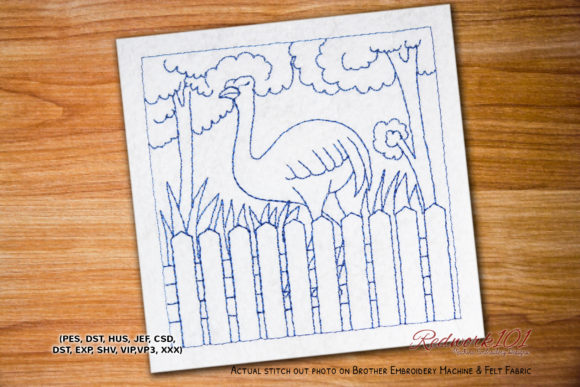
Ostrich Bird Embroidery Review: Boutique Sweatshirt Design
The first time I opened the Ostrich Bird file from Creative Fabrica embroidery, I immediately saw a character-rich design that could anchor an entire sweatshirt collection. It sits at that interesting intersection where a decorative motif turns into a recognizable brand asset. If you build apparel around a strong visual like this, the product practically markets itself in flatlays and social media posts.
First Impression and Visual Personality
Ostrich Bird brings a soft, approachable energy without tipping too far into cute territory. The posture feels calm, the linework suggests movement, and the overall silhouette reads clearly even from a few steps away—something I always test mentally when evaluating a machine embroidery design for boutique apparel. The detail level is moderate. You see enough feather texture to feel intentional, but not so much that the stitch count balloons and drags on production time. For a sweatshirt embroidery project, that balance matters deeply.
The design has a slight vintage storybook feel, which works beautifully for cottagecore-adjacent brands, playful streetwear, or nature-inspired seasonal drops. I could see this on a warm oatmeal crewneck as easily as on a washed black hoodie. The mood leans rustic-classic with a whisper of whimsy, not overly bold but definitely more statement than a tiny accent. If your brand voice is soft spoken but visually confident, Ostrich Bird fits that rhythm.
What the Optional Box Stitch Means for You
One detail I appreciate is that the box stitch shown in the listing preview is optional. The product description makes clear that the outer box color is separate from the main design thread, and you can skip that color direction entirely. For apparel decorators, this is a gift. You have two entirely different presentation options from a single embroidery file. Stitch the bird alone for a seamless, airy look that plays well on textured fabric. Or add the box to create a badge-like finish that pops on tote bags and structured jacket backs. When I test a design, I often sample both versions on scrap fleece—the boxed version can look like a premium woven patch, while the unboxed bird breathes more freely on oversized garments.
Placing Ostrich Bird on Sweatshirts and Hoodies
Chest placement on a hoodie or crewneck is the most natural starting point. The Ostrich Bird shape fills the left or center chest area without overwhelming standard adult sizes. On a medium unisex sweatshirt, the scale feels intentional; on a small size, you may want to double-check hoop boundaries and reduce slightly if your embroidery software allows—but always confirm resize effects on stitch integrity first. I prefer this design centered on the front of a cropped hoodie for an instant boutique focal point, or off-center for a trendier streetwear silhouette.
Sleeve Accents and Unexpected Spots
Don’t sleep on sleeve placement. Ostrich Bird stitched on the forearm of a long-sleeve tee or the upper sleeve of a zip hoodie creates a surprise detail customers photograph and share. Because the design is compact enough to fit a smaller hoop, it translates well to sleeve panels without distorting across the seam. I’ve also tested similar designs on the back yoke of denim jackets—here, skipping the box stitch and letting the bird stand alone brings a hand-drawn quality that looks expensive in finish.
Fabric, Density, and Real-World Performance
When I prepare a new design for a small shop run, I stitch out Ostrich Bird on the exact garment fabric we plan to sell. Fleece and French terry handle this design well, provided you choose the right stabilizer. For a medium-weight sweatshirt, a cutaway stabilizer keeps the dense fill areas from tunneling after washing. On stretchy ribbed sleeve cuffs or thin t-shirt fabric, I recommend adding a water-soluble topper so the threads don’t sink into the knit. The stitch density looks well tuned for apparel—enough coverage to read as premium, not so heavy that the fabric puckers or feels stiff against the skin after wear.
Dark Garments, Light Garments, and Thread Choices
Neutral sweatshirts in sandstone, heather grey, and cream let the Ostrich Bird linework shine without needing thread color gymnastics. On pastel hoodies—think pale lavender or mint—the design softens further and aligns with spring drops. Dark apparel like charcoal, deep olive, or espresso brown makes the motif pop dramatically; here, I would test a slightly lighter thread palette for the feather details so definition doesn’t disappear. Always review thread color contrast on a swatch before running a full batch. The design’s character shifts noticeably depending on whether you lean warm, cool, or neutral with your color choices.
Brand Impact and Perceived Value
In a market flooded with simple text sweatshirts, an embroidered bird instantly signals a boutique garment. Ostrich Bird helps build visual consistency across a collection. Imagine packaging it as part of a seasonal release: the same bird across hoodies, totes, and even canvas zip pouches. That repetition breeds brand recognition. When buyers see a familiar silhouette in your Etsy shop or on your Instagram feed, trust climbs quickly. The design also photographs well in lifestyle shots—its shape holds up in soft focus backgrounds, which is key for product photography where the embroidery needs to read at a glance.
Merchandise Mix: Tote Bags, T-Shirts, and More
Beyond sweatshirts, Ostrich Bird works beautifully on sturdy canvas tote bags. The dense stitching stands up to heavy fabric, and when placed low and centered on a bag face, the design gives off an artisan market vibe. On t-shirts, I recommend testing on a slightly heavier jersey (6 oz or more) to prevent the stitch outline from pulling the fabric. For printable mockups, the clean silhouette of this design makes it easy to present in digital product listings—the bird reads quickly as a thumbnail, which improves click-through in Etsy search results.
Practical Embroidery Designer Notes Before You Stitch
No matter how promising a digital embroidery file looks on screen, production reality lives in the stitch-out. Here’s what I check when testing Ostrich Bird for a commercial run:
- Test on scrap fabric first. Always. Even if the design preview looks flawless, thread tension, fabric nap, and backing behave differently on your specific machine.
- Check stabilizer choice. For most sweatshirts, I pair medium-weight cutaway with a temporary spray adhesive. On fleece, consider two layers of cutaway if the fabric has deep pile.
- Review thread color contrast. The design likely comes with recommended colors, but your apparel palette may shift the mood. Stitch a tiny section with your custom thread choices before committing.
- Confirm hoop size. Before downloading, verify that the design’s dimensions fit within your available hoops. Measure twice—running out of embroidery field space mid-run is costly.
- Inspect stitch density on a similar garment fabric. A stitch-out on quilting cotton tells you almost nothing about how the design behaves on fleece or triblend. Use the actual blank you plan to sell.
- Compare placement options. Pin a paper printout of the design to the garment and photograph it. Move it around. Centered? Slightly left? Horizontal? That visual check saves misaligned finished goods.
- Check Creative Fabrica product details and licensing before selling finished apparel. Since specific license terms, file formats, or machine compatibility aren’t detailed in the product snippet, log into your Creative Fabrica account and confirm commercial use allowances directly on the product page. This step is non-negotiable for anyone selling embroidered goods.
When to Skip the Outer Box Color
As the description notes, the outer box color is often separate from the main design. If you prefer a seamless look on textured fabric, skip the box color direction entirely. The bird will merge more naturally with the garment. On the other hand, when you want a framed, patch-like appearance—ideal for structured totes or denim backs—then include the outer box and choose a thread color that contrasts slightly with the bird tones. That extra edge makes the piece feel like a collector’s item.
Bringing Ostrich Bird Into a Real Product Collection
I’m currently planning a small sweatshirt capsule around natural-dye inspiration. Using Ostrich Bird in a warm terracotta thread on an undyed organic cotton crewneck, I can see the design acting as the collection anchor. It would pair with matching joggers where the bird repeats smaller on a pocket, and perhaps a canvas tote for a complete lifestyle set. That kind of visual storytelling makes a brand feel cohesive and intentional—customers notice when every product in a line speaks the same language.
For Etsy sellers building a quirky home-and-apparel brand, Ostrich Bird could become a signature motif. List a single hoodie, style it with a vintage book and dried florals for a cozy seasonal flatlay, and watch engagement tick upward. This design practically poses for photos. The long neck and oval body create a horizontal-vertical balance that draws the eye across the garment, making it a strong focal point even in group shots.
Final Considerations for Commercial Embroidery Products
Before adding Ostrich Bird to your permanent design library, confirm the file formats included—most Creative Fabrica embroidery listings offer multiple machine formats, but always double-check. If you run a multi-needle commercial machine, test the stitch sequence and color stops; a smooth thread change order makes production faster and less error-prone. And if you digitize in-house, you might still appreciate Ostrich Bird as a beautifully tested starting point that you can modify slightly for scale or color segmentation.
I keep coming back to one truth: a strong animal motif on a well-made garment rarely goes out of style. Ostrich Bird brings enough detail to feel premium but enough simplicity to stitch reliably on everyday apparel. For sweatshirt embroidery, hoodie chest placements, tote accents, and beyond, this design earns its place in a boutique creator’s toolkit. Run your test stitch, fine-tune your thread palette, and you’ll have a finished product that customers reach for season after season.