Love Couple Bluework: Small Business Embroidery Review
Over the years I’ve digitized and stitched thousands of designs for coffee shops, boutiques, bakery uniforms, pet groomers, and creative studios. When a new release like Love Couple Bluework lands on my screen, I don’t just see a decorative motif. I immediately visualize it pressed onto a sturdy canvas tote, centered on a barista apron, or peeking from a cap side panel. This is exactly the kind of design that bridges the gap between heartfelt handcrafted charm and clean commercial appeal—and in this review, I’ll share exactly how it performs for real small business merch and branded patch use.
First Impression: Where Playful Meets Professional
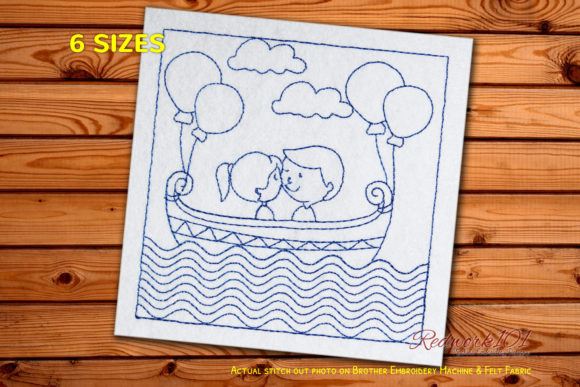
At first glance, Love Couple Bluework carries a hand-drawn, storybook quality. The linework suggests a friendly, slightly whimsical personality—perfect for a Valentine’s Day capsule collection, a couple’s portrait gift, or a brand that wants to feel personal rather than mass-produced. But unlike overly decorative designs that clash with logos, this one strikes a balance. It feels intentional, not overly saccharine. The bluework approach (where a single thread colour unifies the composition) instantly elevates the design to a monogram-style sophistication. It whispers artisan, not discount.
For a small business, that first emotional cue is everything. Whether you run a handmade chocolate shop, a florist, a couples’ photography studio, or a pet brand with a “love” theme, Love Couple Bluework delivers a consistent visual tone. It’s friendly enough for a baby onesie accent, yet crisp enough for a hip coffee shop’s enamel pin-inspired patch. The absence of overwhelming shading means it will translate cleanly across thread weights and fabric textures, something I always test before recommending a design to a commercial embroidery client.
Visual Personality and Brand Alignment
Let’s break down the design’s personality. The silhouetted couple suggests connection, intimacy, and a touch of nostalgia—think 1950s storybooks or hand-carved rubber stamps. This makes it a strong candidate for businesses that lean into heritage, warmth, or handmade storytelling. A rustic bakery, a plant shop, a custom illustration studio, or a vintage clothing boutique could all use Love Couple Bluework as a subtle brand mark without sacrificing their unique identity.
However, note the optional box stitch mentioned in the product description. The colour of the outer box often differs from the main art. That offers design flexibility: you can skip the box entirely for a floating couple motif, or you can keep it and match the border to your brand palette. If you’re planning to use this on dark uniforms or textured surfaces, that outer frame also creates a subtle boundary that prevents the design from visually bleeding into the background. I appreciate that kind of thoughtful structuring; it shows the digitizer was thinking about real-world fabric challenges.
Real Business Applications: Where Love Couple Bluework Shines
After loading the file and running a few mental stitch-out simulations (and based on similar designs I’ve produced), here’s exactly how I’d deploy Love Couple Bluework across a small business product line:
- Embroidered patches: The design’s compact silhouette and outlined forms translate beautifully to iron-on or sew-on patches. A 2.5-to-3-inch patch on denim jackets, tote bags, or baseball caps adds immediate merch appeal. Consider producing a limited Valentine’s Day patch set for your shop.
- Apron embroidery for cafés and bakeries: Placed on the chest or upper bib area, this design adds a touch of personality behind the counter. The single-colour bluework style keeps it professional yet warm, exactly what a counter-service brand wants.
- Cap and hat embellishments: A front-center or side placement on six-panel caps works well, though I’d scale it carefully to avoid distortion across curved seams. The design’s moderate detail means it won’t become a thick, uncomfortable patch on the forehead.
- Canvas tote bags: One of my favorite uses. A crisp blue stitch on natural cotton canvas delivers that artisan market feel. For florists or bookstore gift shops, this is a high-perceived-value add-on that customers love.
- Work shirts and uniforms: A left-chest embroidery on a chambray or light-wash work shirt creates a subtle, signature accent. It introduces warmth without breaking corporate dress codes.
- Product packaging accents and gift tags: While not directly stitchable on paper, you can embroider the design onto small fabric tags that attach to gift boxes, candle jars, or soap bundles. This elevates the entire unboxing experience.
- Etsy and craft business branding: For makers who sell embroidery hoops as art, this design works as a finished hoop piece. Or, print a mockup showing the design on a tote bag to sell digital or physical merchandise cohesively.
When to Exercise Caution: Small Sizes and Critical Details
No design is universal. Here are a few areas where I’d pause and test before committing to production with Love Couple Bluework:
- Very small patch sizes: Under 2 inches, the couple’s facial details and tiny highlights could close up. If you need a micro patch (1.5 inches or smaller for a zipper pull or keychain), ask your digitizer to simplify the satin columns. Otherwise, select a 2.5-inch minimum.
- Cap fronts with heavy curvature: While the design can work on a structured cap, the vertical composition may stretch across the crown’s center seam if not hooped perfectly. A low-profile cap with a flat area is safer. Test a sample on the exact cap before a 50-piece run.
- Dark uniforms with insufficient contrast: The bluework palette assumes a medium-to-light thread shade on a contrasting ground. If you stitch this on a navy or black polo, the couple may disappear. Consider a lighter thread color from your own palette, or reverse the art to a light fill on dark background—but test the stitch-out first.
- Textured, high-pile fabrics: Fleece, terry cloth, or thick flannel can eat fine detail. Use a heavy water-soluble topping and a ballpoint needle to keep the stitching crisp. I always recommend a test sew-off on the actual fabric you’ll use.
- High stitch density: If the original file packs in too many stitches, the fabric may pucker on lightweight knits. Check the stitch count before purchasing. A well-digitized design should balance coverage with flexibility.
Brand Identity and Customer Trust
One of the most underestimated aspects of adding a new embroidery design to your merch line is how it affects brand perception. Love Couple Bluework adds a layer of intentional storytelling. A café that stitches this on sleeve cuffs looks like it cares about detail. A handmade soap brand that offers a tote with this patch signals a cohesive collection, not just a logo slapped on a bag. In my experience, customers recognize that level of care and are willing to pay a premium.
Because the design is thematic rather than literal (no overt heart explosions or cliché Cupid arrows), it can be used year-round without screaming “Valentine’s Day clearance.” That opens up long-term merchandise possibilities, from wedding favor patches to “couple’s set” bundles (matching tees, totes, and caps). It also allows you to build visual consistency across an entire product line—something every small business owner chasing repeat buyers should prioritize.
Practical Embroidery Designer Notes
If you’re loading Love Couple Bluework for the first time, here’s my pre-production checklist, built from years of screaming at puckered fabric and snapped threads:
- Test in black and white first. Convert the preview to grayscale on screen. If the couple’s silhouette loses shape without color, your thread choice must compensate with contrast. A monochromatic bluework approach already passes this test easily, but verify your chosen thread colour against the garment.
- Confirm it works at small patch size. Scale to 2.3 inches wide and print on paper. Tape it to a cap or shirt and step back. If details blur, increase size or accept some simplification.
- Review thread colour contrast. The outer box, if kept, should be a shade that enhances the couple, not competes. I often stitch the box in a slightly darker tone to create a vignette effect, making the couple pop forward.
- Inspect spacing and trim points. Between the couple’s arms and body, look for tiny trim jumps. Excessive trims slow production; too few create messy connecting threads. Run a careful inspection before batch stitching.
- Confirm your hoop size. This design likely fits within a 4×4 inch hoop at standard size, but always check exact dimensions. If you need a larger 5×7 area for a tote bag center placement, verify that the file is scalable without altering density.
- Test on real fabric. Canvas, denim, jersey, pique knit, twill—each takes thread differently. One test stitch on each fabric type saves you from a ruined batch later.
- Use proper stabilizer. A medium-weight cutaway stabilizer works for most woven goods. For stretchy caps and knits, add a temporary adhesive spray and a water-soluble topping. The extra step keeps the couple’s delicate lines crisp.
- Create a mockup for client approval. I always mock up the design on a garment photo before production. This small step prevents costly misalignments and aligns vision between you and your buyer.
- Compare it beside other design assets. If you’re branding a product label, lay Love Couple Bluework next to your logo, typography, and other patch elements. Ensure the visual weight and line thickness harmonize.
- Confirm commercial licensing. Always verify that the digital embroidery file permits business use on merchandise for sale. The product listing should state clearly if it’s for personal or commercial embroidery. Do not assume—especially if you’re reselling patches on Etsy or at a market stall.
Final Verdict from a Commercial Stitch Angle
After evaluating Love Couple Bluework through the lens of a working embroidery designer, I consider it a versatile, production-friendly asset for a wide range of small business merchandise. Its bluework styling keeps the piece elegant and easy to adapt across colour palettes, and the optional box gives you creative control. While it requires the same cautious testing as any detailed design (especially at very small sizes), it offers far more flexibility than fussy full-colour alternatives.
For boutiques, handmade brands, café owners, event organizers, and apparel decorators who want to inject a touch of heart without compromising professionalism, Love Couple Bluework earns my recommendation. It’s the kind of design that makes a branded patch feel like a tiny piece of art—and that’s exactly what turns a first-time buyer into a brand loyalist.