Fruits in Woven Basket Redwork: A Designer’s Honest Review
First Look: The Mood of This Redwork Design
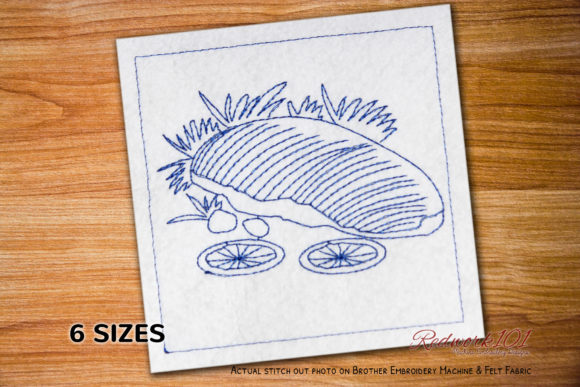
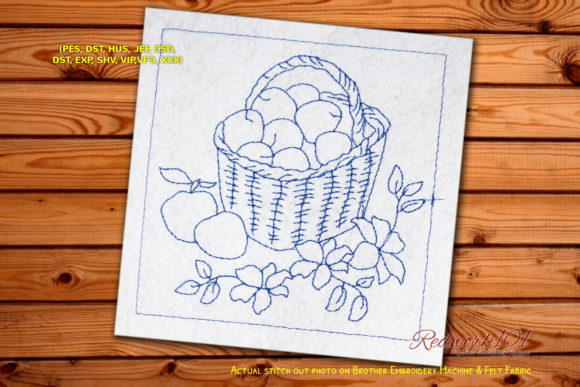
When I first opened the Fruits in Woven Basket Redwork file from Creative Fabrica, the first thing that struck me was how timeless the composition felt. There is an old-world warmth to a woven basket filled with fruit, and this embroidery design leans into that nostalgia without feeling outdated. The linework has a hand-drawn quality that translates beautifully into thread, which is exactly what you want from a redwork style. Redwork, by nature, relies on the purity of the stitch line rather than heavy fill areas, and this design understands that language well.
The basket weave detail is where the personality lives. It is not overcomplicated, but it has enough rhythm in the running stitch to give the basket genuine texture. The fruit shapes are recognizable without being hyper-realistic, which makes the design feel decorative rather than photographic. That is a smart choice for a machine embroidery design meant to live on functional items. If you are considering this for custom apparel, kitchen textiles, or handmade gifts, the visual mood lands somewhere between farmhouse cozy and vintage market charm.
One detail worth noting from the product description is that the box stitch shown in the preview is optional. The outer box color is a different color in most versions unless it is part of the design itself, and you can skip it entirely. That flexibility matters more than you might think when you are planning placement on a finished product.
Where This Design Naturally Belongs
After studying the stitch flow and the scale of the artwork, I can immediately picture this design on a tote bag design or a natural linen apron. The redwork aesthetic pairs beautifully with unbleached cotton, muslin, or oatmeal-colored fabric. It would also sit handsomely on a pillow cover in a farmhouse kitchen or a nursery that leans toward classic illustrated storybooks rather than cartoon graphics.
For Etsy sellers and handmade product creators, this design opens up a range of listing possibilities. A set of embroidered kitchen towels with this motif could anchor a whole collection. The same design stitched onto a baby blanket or a crib quilt square brings a gentle, heirloom quality that parents gravitate toward. I could also see it on a canvas pouch used as a seasonal handmade gift, perhaps filled with dried fruit or tea sachets for a market stall.
Because the design reads clearly even from a distance, it works on custom apparel like a sweatshirt chest placement or the front of a simple cotton apron. The single-color nature of redwork also means you avoid the busyness that can make some multi-color embroidery files feel overwhelming on smaller products. This restraint is a strength when you are building a cohesive boutique merchandise line.
Real Project Performance: Fabric and Surface Considerations
Before you stitch this onto a customer order, there are several practical factors to consider. I always test a new digital embroidery file on scrap fabric first, and I recommend the same here. The success of redwork depends heavily on stitch density and fabric stability. On a tight-weave cotton or linen, the running stitch lines will sit cleanly on the surface. On a looser weave or textured fabric, those same lines can sink or blur, losing the definition that makes the basket weave and fruit outlines readable.
For stretchy fabric like a sweatshirt or a knit baby item, a reliable cut-away stabilizer is non-negotiable. Redwork designs do not have the solid fill areas that help anchor stretchy material, so the stabilizer is doing the real work of keeping those fine stitch lines from distorting. I would also avoid hooping too tightly on stretch fabrics, as that can create a subtle waviness around the design after the hoop is released.
On dark fabric, thread color becomes a creative decision. Traditional red thread on black or navy creates a dramatic, almost folk-art contrast. A soft cream or ecru thread on deep charcoal gives a more muted, sophisticated result. I recommend comparing mockups on both light and dark backgrounds before committing to a thread choice for a customer-facing product photo. Speaking of mockups, this design photographs wonderfully on textured linen or kraft paper backgrounds, which can elevate your printable mockup assets for Etsy listings or social media.
Working with Curved Surfaces and Small Spaces
One area where many flat embroidery designs struggle is on curved cap surfaces. Caps demand designs with a lower profile and careful placement. If you are considering this for an embroidered patch or a cap front, you will want to verify the design dimensions on the Creative Fabrica product page. Redwork designs tend to be lighter in stitch count, which can actually work in your favor on caps since dense stitching can create puckering on the curved surface. However, the basket detail and fruit outlines need enough scale to remain legible from a normal viewing distance.
For small hoop sizes, the design may need to be reduced, and that is where you must be cautious. Shrinking a redwork design too aggressively can merge stitch lines together, turning delicate basket weave into a muddy knot of thread. If your machine has a minimum hoop size of 4x4 inches, confirm that the design fits comfortably without scaling below 90% of its original size. Anything smaller risks losing the intricate fruit shapes and the woven texture that give the piece its character.
When stitching for products that need frequent washing, such as kitchen towels or baby items, thread choice and stabilizer selection directly affect longevity. Redwork designs rely on continuous stitch lines, and if a thread breaks, the visual interruption is obvious. A high-quality polyester embroidery thread will hold up better through repeated laundering than a cotton thread, though cotton thread has the authentic matte look that suits the vintage redwork tradition. This is a trade-off worth weighing based on your target buyer and product category.
Value for Sellers and Creative Entrepreneurs
From a commercial embroidery standpoint, the Fruits in Woven Basket Redwork design offers something genuinely useful. It is not a design that tries to do everything at once. Instead, it fills a specific niche with confidence. For apparel decorators who need artwork that stitches quickly and reads clearly, this design means less thread changes, fewer stops, and a faster production turnaround. Time saved on the machine translates directly to better margins on finished product sales.
For digital product sellers who create design assets or mockup bundles, the redwork style photographs beautifully and can serve as a versatile portfolio piece. The single-color nature makes it easy to recolor digitally for presentation slides or listing variations, showing buyers how the same design looks in burgundy, navy, sage, or charcoal without actually stitching multiple versions. That flexibility supports stronger product photography and more engaging customer engagement on platforms like Etsy.
On the topic of buyer trust, consistency is key. If you are building a brand around handmade kitchen linens, nursery decor, or farmhouse-style accessories, this design reinforces that brand identity with every stitch. A cohesive aesthetic across your product catalog helps customers recognize your work at craft fair products tables or in your online shop. The visual appeal of redwork is distinct, and it attracts buyers who appreciate craftsmanship and traditional needle arts. That kind of buyer tends to return, gift your products, and leave thoughtful reviews.
Practical Stitching Notes and File Readiness
Before loading this design onto your machine, I recommend a few deliberate steps. First, open the embroidery file in your software and review the stitch order. Does the basket stitch before or after the fruit outlines? If the basket weaves through overlapping fruit, the sequence affects the final layered look. Understanding the stitch order also helps you catch any potential trims or jump stitches that may need attention before you run your first test piece.
Second, check thread color contrast against your chosen fabric. Redwork is traditionally monochromatic, but subtle color shifts still happen between thread brands. A thread that looks vibrant on the spool may read darker or flatter once stitched onto a textured surface. Test a small section before committing to a full run.
Third, pay close attention to the optional box stitch mentioned in the product description. If the outer box color is different from the main design and you choose to include it, the contrast can frame the piece nicely for a patch or a standalone decorative panel. If the box color clashes with your fabric or your product vision, skipping it entirely is a clean solution. This kind of design flexibility is worth appreciating because it lets you tailor the look without editing the core embroidery design file.
Finally, confirm file details and licensing on the Creative Fabrica product page before selling finished items. While I cannot state exact file formats or license terms without referencing the official product listing, I strongly advise reviewing what is included and what usage rights apply. Creative Fabrica typically provides clear commercial licensing information, but verifying those specifics protects your business and ensures your Etsy listings and boutique merchandise remain compliant.
Who Should Download This Design
If you are an embroidery designer who values decorative appeal, clean linework, and a design that transitions smoothly across multiple product types, this one belongs in your library. It suits makers who sell at craft fairs, run small handmade shops, or offer personalized gifts with a vintage sensibility. The redwork tradition carries a warmth that feels intentional rather than trendy, and that gives it staying power in a market where seasonal designs can fade quickly.
For those focused on applique designs or heavy fill stitch projects, this may not be your typical choice. But even then, having a well-crafted redwork piece in your catalog diversifies your creative range. Buyers who want a lighter, more delicate embroidery style on their personalized gift or custom apparel will appreciate having this option available. It fills a gap that many modern embroidery collections overlook.
Ultimately, the Fruits in Woven Basket Redwork design delivers what it promises. It is a thoughtful, well-composed piece that understands the beauty of simplicity. With proper testing, the right stabilizer, and a considered fabric pairing, it stitches into a finished product that feels handcrafted in the best possible way. For the price of a Creative Fabrica download, the creative mileage you can get from this single design makes it a practical and inspiring addition to your embroidery toolkit.